Life – Terror. Ecstasy. Fight. Denial. Flight. Failure. PAIN. Forgiveness. Reconciliation. Hope. Love. Peace – Death
Prostate cancer is the most common cancer in the UK, with over 63,000 cases and 12,300 deaths annually. 34 men in the UK die from the disease every day.
Like most cancers, early detection, an early diagnosis is extremely favourable in terms of a “Live or Die” prognosis. In a ‘prostate nutshell’ if the disease is found to be contained within the prostate gland it is considered curable, if it has spread (metathesised) then it is “no cure”.
There is no mandatory or national, routine, population-wide screening programme for prostate cancer in the UK. The decision against mass screening is based on evidence suggesting it might not reduce overall death rates. [Prostate Cancer Research]
Once considered ‘an old man’s disease’ with as many as 1-4 men contracting the disease, often, late in life (75+). Many would die of other causes without thier prostate cancer condition ever being diagnosed.
Trends: Despite rising incidence, mortality rates have decreased by about 10% in the last decade, though the absolute number of deaths remains high due to an ageing population. [Cancer Research UK]
I was diagnosed, 2015, completely by chance, age 56, advanced prostate cancer, no cure. At the time, 56 was considered “young” for a prostate cancer diagnosis. I am part of a genealogy, prostate cancer research study, via The Royal Marsden. During a recent conversation with a ‘study clinician’ I was told of, ‘two, recently diagnosed Stage IV, advanced prostate cancer patients, in Liverpool, aged 22 and 29.
Key Aspects of Prostate Cancer Screening
- Current Recommendations: The UK NSC only recommends screening for a very small group of men at high risk, specifically those with confirmed BRCA1 or BRCA2 gene changes. Who knows if they have those gene changes? Do you?
- Targeted Screening Debate: Charities and campaigners push for targeted screenings for high-risk groups (e.g., Black men, those with a family history), a national, routine screening program for all men 50 and over is not currently supported.
- The PSA Test Issue: The Prostate Specific Antigen (PSA) test, despite being the, universal, “yard stick” prostate cancer test, is not considered accurate enough for universal screening, as it can produce both false positives and false negatives, potentially leading to unnecessary anxiety and invasive procedures.
- Informed Choice: Men over 50 (or younger if at higher risk) are encouraged to discuss the potential pros and cons of the PSA test with their GP to make an informed decision. [Cancer Research UK]
- The Bottom Line: If I had, been offered a, mandatory, men over 50, screening test I would/could have been diagnosed, as much as, six years earlier? Most likely, in a “cure” (none advanced) situation?
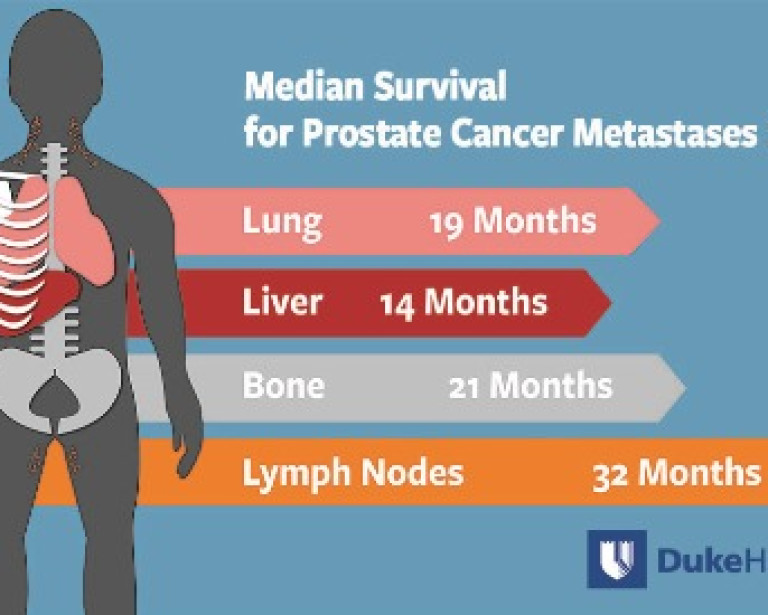
Stage IV (4) prostate cancer, advanced metastatic disease, where the prostate cancer has metastasised (spread) to distant lymph nodes, bones, or other organs (like the liver or lungs). Not considered curable by “mainstream” medicine, but is treatable to suppress, and control, growth./spread.
After a prostate cancer diagnosis, patients may be offered, initial, “frontline” treatments i.e. prostatectomy surgery, radiation therapy. For advanced metastatic disease, palliative, treatments include;
Hormone Therapy (Androgen Deprivation Therapy – ADT): The standard primary treatment, which shrinks the cancer by reducing testosterone.
Chemotherapy: Used for advanced, aggressive cases.
Targeted Therapy/Radiopharmaceuticals: PSMA Lutecium 177 may be used for metastatic castrate-resistant cases.
Bone-Targeted Therapy: Bisphosphonates like Zometa® (zoledronic acid) are used to strengthen bones and manage bone metastases.
The average length of survival after a ‘new’, metastatic prostate cancer diagnosis is about 5 to 6 years. But it’s important to remember that prostate cancer is not a one-size-fits-all disease. Survival rates are averages. Some patients will live longer than the average, and some will live less than the average.4 Dec 2024
There are ‘many’ Alternatives to “standard” treatments
Prostate cancer peptides are emerging as a precise therapeutic and diagnostic strategy, utilising targeted compounds to disrupt hormone receptors, deliver cytotoxics, or stimulate immune responses.
Key developments include PSMA-targeted ligands, LHRH agonists/antagonists (e.g., leuprolide), and novel stapled peptides (e.g., Rh-2025u) that inhibit cancer cell migration. [PMC].
Key Peptide-Based Strategies for Prostate Cancer:
LHRH Agonists/Antagonists: These are standard hormonal treatments that reduce testosterone production by downregulating LHRH receptors, including leuprolide, Gosselin, and Degarelix.
Targeted Radioligand Therapy (PSMA/GRPR): Prostate-specific membrane antigen (PSMA) and Gastrin-releasing peptide receptor (GRPR) are targeted with radiolabeled peptides (like Ga-RM26) for imaging and therapy.
Stapled Peptides & Inhibitors: Rh-2025u is a stapled peptide that inhibits androgen receptor (AR) interaction with Filamin A, stopping cell migration. Another peptide disrupts the AR-TIP60 interaction, inducing cell death.
Peptide-Drug Conjugates (PDCs): PDCs are designed to deliver cytotoxic agents directly to tumour cells. A novel 7-mer peptide (P10) has shown potential to selectively kill drug-resistant prostate cancer cells.
Peptide-Based Vaccines: Synthetic long peptides (SLPs) derived from PSMA and PAP are being developed to activate the immune system against cancer antigens. [PMC]
These therapies aim to enhance cytotoxicity in tumour cells while sparing healthy tissue and are particularly useful for treatment-resistant cases. [YouTube]
The moral of the story
- Support, campaign for mandatory screening? If you see any social media links to petitions etc. please support, sign, donate?
- If you are ‘high risk’ insist on regular testing (at any age). The sooner you know, (hopefully you won’t have cancer), the higher chance of survival, cure.
- Not high risk but you have ANY suspicions that you might have prostate cancer (symptoms), get to your GP and get a test (PSA Blood Test). If your GP will not agree to a test then there are, inexpensive, (as little as £2.99 from Home Bargain), self test kits available.
Thanks for Reading
#Peace
 Dying to Live